Written By:
Avanii
Lead Editor
 PROCUREMENT


Influencers transform the fashion industry by merging authenticity with digital influence, which turns personal style into powerful cultural and commercial value. Their presence accelerates trend adoption, builds brand trust, and reshapes global fashion consumption through data-led creativity. By transforming product visibility into community interaction across Instagram, TikTok, and YouTube, they make audiences active participants in fashion.
The fashion influencer market will hit over $74 billion by 2032, which shows heavy investment by brands in influencer-driven content as reported by Globe Newswire in their September 2025 report.
Influencers shape modern fashion trends by accelerating trend cycles, promoting diversity, and reshaping visual culture. Their influence on consumer behavior extends beyond purchasing as authenticity builds emotional trust, social proof triggers FOMO-driven buying, and consistent content strengthens brand loyalty. This psychological influence makes influencer marketing a behavioral force directing how consumers define value, identity, and belonging in modern fashion.
Influencer impact on the fashion industry lies in merging cultural relevance with economic scalability, as fashion influencers are not only style leaders but also behavioral architects who fuse creativity with commerce to shape the rhythm of global fashion consumption.
Influencer marketing in the fashion industry is a strategy where brands collaborate with social media fashion influencers to promote apparel, accessories, and lifestyle aesthetics to targeted audiences. Influencers act as modern brand ambassadors who merge personal style with commercial storytelling that allows brands to connect with consumers through authenticity rather than direct advertising.
Fashion brands utilize influencer marketing to make trend adoption faster and drive purchase intent by integrating products into organic content such as outfit-of-the-day posts, styling tutorials, or haul videos. Popular platforms such as Instagram, TikTok, YouTube, and Pinterest drive fashion influencer marketing by enabling brand storytelling, viral trends, and shopping discoveries.
Fashion influencer marketing helps businesses earn an average of $6.50 for every $1 spent, according to a Tomoson study titled “The Power of Influencer Marketing: A Comprehensive Study.” Brands such as Fashion Nova scaled exponentially using micro and macro-influencers, and Dior integrates influencer content during fashion weeks to sustain exclusivity and desirability.
Influencers impact modern fashion trends through instant exposure, authenticity and relatability, brand collaborations, diversity and inclusion, and their evolving role as influencers. They act as cultural connectors who turn social media movements into mainstream style shifts and define how trends emerge and spread globally.
The five key ways influencers impact modern fashion trends are outlined below.
Fashion influencers create instant buzz by turning new looks into viral sensations across TikTok and Instagram. Their short-form videos and reels spread trends like Y2K fashion, quiet luxury, and the clean-girl aesthetic within hours that turn niche styles into global statements.
Influencers shape digital fashion culture through honest, everyday styling that feels accessible as their audience connects with unfiltered outfit choices, behind-the-scenes content, and real-life product use. This relatability drives stronger engagement and genuine purchasing decisions.
Fashion brands partner with influencers to mix creativity with marketing in a natural way which places brands into followers’ everyday lives through limited-edition collections and outfit reveals. Fashion brand influencer marketing like Revolve’s influencer partnerships turns promotions into lifestyle trends that feel authentic and inspiring.
Influencers reshape fashion perception through representation of diverse body types, ethnicities, and personal styles. Their visibility on social platforms challenges outdated beauty ideals and establishes inclusivity as a strategic brand value that broadens emotional engagement within fashion marketing.
Fashion influencers are cultural curators who direct audience preferences in style, consumption, and aspiration. They identify trends through data insights and influence both luxury and streetwear markets which shows how digital creators surpass traditional magazines as the dominant voice in fashion.
The roles of fashion influencers in consumer behavior include trust and authenticity, social proof and FOMO, and brand awareness. Overcoming challenges and maximizing ROI through innovation and adaptability are also important roles that fashion influencers perform to drive consumer behavior.
The six key roles of influencers in consumer behavior are outlined below.
Influencers build consumer trust through genuine recommendations and transparent content. Their relatable storytelling encourages audiences to make confident purchasing decisions based on perceived credibility.
Influencers create social proof that drives urgency and FOMO by showcasing trending products. Followers perceive popular items as desirable which accelerates purchase intent across social media platforms.
Influencers expand brand visibility by integrating products into aspirational lifestyles with their reach across platforms like Instagram and TikTok. Fashion influencers introduce brands to new audiences organically and consistently.
Influencers reduce buyer hesitation by addressing concerns directly in content, demonstrating product use, and providing real-life results that overcome skepticism and increase conversion likelihood.
Brands achieve higher ROI through influencer marketing as campaigns deliver measurable engagement, targeted exposure, and stronger conversion rates compared to traditional digital advertising.
Fashion influencers adapt quickly to shifting digital trends, integrating new formats such as short-form video and live shopping, keeping brands relevant in evolving consumer landscapes.
Successful fashion influencer marketing campaigns in the fashion industry include Aerie’s #AerieREAL campaign and Dior’s “67 Shades of Dior” campaign that show how authentic storytelling and influencer credibility can greatly improve brand visibility and trust. Fashion influencers help brands connect emotionally with audiences, translating digital engagement into measurable ROI.
Aerie’s #AerieREAL campaign redefined fashion marketing through authenticity and body positivity by partnering with influencers who celebrated natural beauty by posting unretouched photos in Aerie apparel. This influencer marketing approach resonated with consumers seeking real representation, leading to higher engagement and brand trust. The campaign generated strong social media traction, boosted sales, and positioned Aerie as a leader in inclusive fashion marketing by prioritizing honesty over perfection.
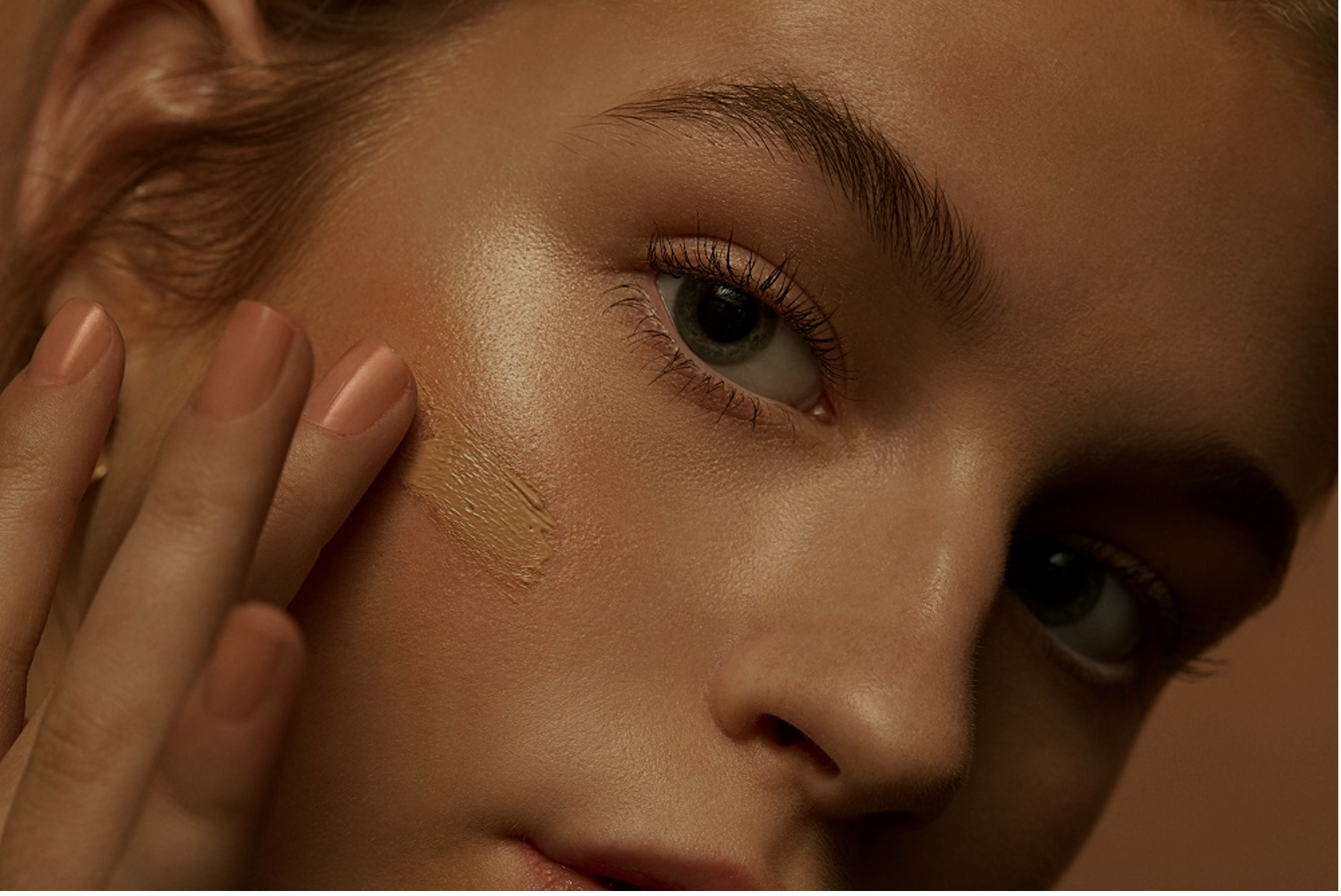
Dior’s “67 Shades of Dior” campaign collaborated with different fashion and beauty influencers to highlight its foundation range to amplify representation across global markets. Dior combined storytelling with elegance through coordinated content on Instagram and YouTube and achieved millions of impressions while strengthening its reputation for sophistication and inclusivity in digital fashion culture.
Fashion influencers shape global style trends by transforming personal expression into cultural influence through visually compelling and relatable content. They connect high-fashion aesthetics with everyday wear to bridge the gap between luxury and accessibility on platforms such as TikTok and Instagram.
Influencers reshape the fashion trend cycle by turning new styles into instantly recognizable movements across social media within hours. Their authenticity and creative storytelling motivate audiences to explore new looks, which transform their style into widespread adoption. Fashion influencers make style participation open to everyone by reinterpreting runway fashion into accessible, affordable outfits.
Fashion brands apply strategic influencer selection to maintain consistency with their visual identity and audience preferences. Influencers preserve brand relevance as modern storytellers by combining creative content, audience data, and emotional appeal within today’s dynamic visual landscape.
Influencers generate measurable economic value for the fashion industry by directly contributing to sales growth and improved ROI across digital campaigns. The fashion influencer marketing market is projected to grow to $8.36 billion in 2025, making it one of the most profitable promotional strategies in fashion as reported by The Business Research Company. The cost-benefit ratio of influencer collaborations is high, as fashion creators outperform traditional ads in engagement and conversion efficiency.
Virtual influencers impact the digital fashion industry by providing cost-effective and highly controllable marketing tools that merge artificial intelligence with creative storytelling to redefine how consumers experience and engage with brands. Virtual influencers drive brand visibility through hyper-realistic content that performs well across social media and metaverse platforms like metaverse fashion, live shopping, and augmented reality (AR) try-ons.
Influencers differ from celebrities through authenticity, campaign efficiency, and closer audience connection. Fashion influencers engage followers through relatable content, driving stronger trust and measurable results, while celebrity endorsements offer mass reach but feel less personal and cost more.
Influencers prioritize authenticity, niche expertise, two-way communication over celebrity-style promotion and making trends more accessible and relatable through a mix of high and low-end pieces to change the trend of traditional influencers in the fashion industry. Fashion influencers build communities by integrating fashion with personal identity and digital innovation, reshaping how trends emerge and how audiences connect with brand narratives in real time, unlike early brand ambassadors who projected idealized lifestyles.
The influencer gender role in the modern fashion industry shapes audience influence through authenticity and creative expression. Female influencers dominate content creation and community building, while male influencers influence streetwear or athleticism and challenge norms by promoting gender-fluid fashion.
Male fashion influencers impact the fashion industry by redefining masculinity in fashion through experimental styling, gender-fluid aesthetics, promoting authenticity through relatable content, and advocating for body positivity.
Female fashion influencers impact the fashion industry through creative direction, brand storytelling, and community engagement. They shape purchasing trends, introduce new aesthetics, and promote sustainability and diversity with aspirational and relatable content.
Fashion influencer pricing depends on engagement rate, niche, and brand collaboration fees. The rate of fashion influencers across different levels is outlined below.
The top fashion influencer marketing agencies are given below.







30M
IMPRESSIONS
15%
UPLIFT IN SALES
17M
REACH


70M+
IMPRESSIONS
500+
COLLABORATIONS
SOLD OUT
PRODUCT LINES


486%
FOLLOWERS
28M
MENTIONS
13M
VIEWS

35M
VIEWS
3M
ENGAGEMENTS
50+
CREATORS


32M
VIEWS
+400K
NEW FOLLOWERS
2M
LIKES

Aug 20, 2026
Insights

We'll show you how to start powerful conversation, drive social engagement, build your brand, hit sales targets or meet other goals you have, wherever you are in the world.
Work with us