Written By:
Anastasija
Content Writer
 PROCUREMENT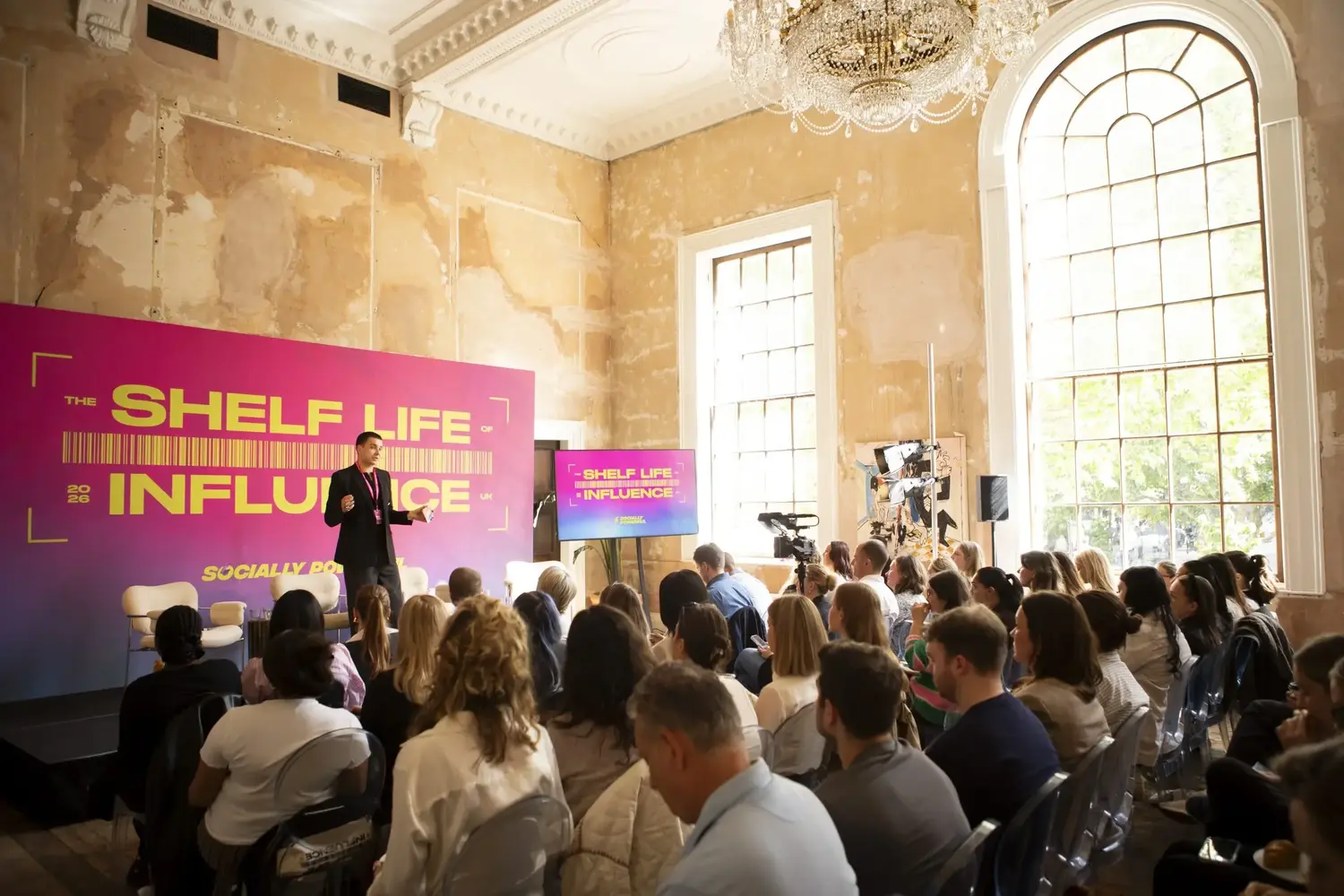


Consumer discovery, validation and purchase no longer happen in isolated moments; they happen live in feeds, comment sections, creator content, and communities. Trust and attention have fundamentally shifted into public culture, yet influence is often still built around fixed planning cycles rather than real-time consumer behaviour. This disconnect matters now more than ever.
Brand loyalty is weakening, and competition is intensifying from:
1) Private labels that have evolved significantly, no longer winning just on price but on quality, proximity, and even meaning, looking at recent examples where Walmart has undertaken a full rebrand and relaunch of its ‘Great Value’ own-brand line.
2) Challenger brands are entering faster, building relevance quicker, and carving out space through sharper identities, clearer communities and stronger cultural energy.
3) With retailers responding to the same shift. They are under pressure to drive footfall, visits and basket growth, so they are increasingly using culturally relevant, fast-growing and “cool” brands to attract customers into their stores and platforms.
In fact, 86% of senior enterprise FMCG marketers say brand loyalty is not what it was five years ago.
In this same reality, brands continue to treat influencer marketing as a late-stage campaign channel rather than a core capability. This outdated practice causes attention to peak while campaigns are live, then drops away once the campaign simmers out.
We surveyed 300 senior US and UK FMCG marketers and found that while 81% agree creators understand culture better than their internal teams, yet 62% believe they can remain culturally relevant without changing how they work with them.
As a result, a staggering 41% of campaign ideas still originate from traditional planning cycles, and only 11% are dictated by culture or social insights.
In a category shaped by everyday routines and habitual purchasing, that approach risks turning consumer attention into a recurring cost rather than a durable source of demand. Being present in culture isn’t about reacting for the sake of it. It’s about extending your brand story in real time, so your reactive always-on activity makes proactive commercial moments, from launches to seasonal peaks land harder and travel further.
To diagnose this disconnect, we recently gathered industry leaders from Tropicana Brands Group, The Absolut Group, Diageo, Tails.com, The Compleat Food Group, TikTok, Reddit, and Lotus Biscoff. Anchored by our new whitepaper, Best Before: Your Next Campaign, the conversations revealed a clear mandate.
Here is how the smartest brands in the room are turning fleeting attention into lasting demand.

If there was one universal pet peeve among our first panel featuring Lauren Herman (Tropicana Brands Group), George Meagher (TikTok), and Sam Hughes (Reddit) and it was chasing fleeting viral moments.
The new luxury in marketing isn’t a sudden burst of attention; it’s sustained presence. Sustained presence builds long-term brand memory and warms the audience so subsequent campaign peaks land harder. But this requires a fundamental shift: rather than treating influencers as a final media placement, brands should involve them during the strategy and planning phases.
Tropicana Brands Group, for instance, includes influencer pillars at the strategy stage for Tropicana and Naked Smoothies to ensure the content aligns with specific audience goals, such as building nutritional credibility.
The data highlights a glaring missed opportunity here: only 1% of enterprise campaign ideas come from testing-and-learning in public. Contrast that with brands like Skoda and Dove, who are listening and co-creating with audiences by engaging Reddit communities and building on conversations that centre the brand.

At what point do guardrails on creator briefs turn into handcuffs? Panel two tackled this exact tension with Don Cheney (The Absolut Group), Jennifer Adetoro (Diageo), Kezia Price (Tails.com), and Gemma Charman (The Compleat Food Group).
In regulated sectors like alcohol, pet nutrition, and food, too much control kills authenticity, but too little creates brand risk. It’s no wonder 43% of FMCG marketers cite risk aversion as their #1 blocker to bold, culturally led work. The solution lies in shifting the dynamic from dictation to co-authorship.
Trust Buys Speed: Internal trust is what buys speed. What builds internal confidence is repeatability – a string of small, measured wins makes the next conversation with legal and stakeholders shorter. When you pair that internal momentum with long-term creator partnerships, the need for rigid guardrails naturally dissolves. Over time, mutual trust takes the wheel, acknowledging a simple truth: creators will always know their audience far better than any brand team ever will.
For the panelists, a good creator brief comes in all shapes and sizes. While the consensus was to stray away from an overly prescriptive brief, there are some caveats to this:
But ultimately, long-term partners win out; they require less repetitive “dos and don’ts” feedback and deliver more authentic content as their lives naturally intersect with the brand.

Sometimes, the smartest marketing move is knowing when to stay out of the way. Our final fireside chat with Frances Booth explored Lotus Biscoff’s famously hands-off approach. Biscoff doesn’t work on campaigns as Biscoff is not built on NPDs; in biscuits over the past 15 years there has only been one NPD. Instead, her job is to tap into usage occasions: biscuit barrel, lunchbox, etc.
Their cultural cachet is built on long-standing relationships, some dating back to 2011 when they gifted their spread to mumsnet on Facebook before influencer gifting became mainstream. Mumsnet touted the spread “crack in a jar”.
Biscoff’s golden rule? The quickest way to kill authenticity is when the marketing department gets too involved. When the Japanese cheesecake trend went viral in January, Biscoff made a highly calculated decision: they watched it unfold. Because when you pile on you start looking corporate and that edge the trend created starts looking forced.
Make no mistake, however, this hands-off response wasn’t just a lucky shot in the dark. That viral moment was the direct result of deliberate, behind-the-scenes hard work. By taking a “less is more” approach and carefully handpicking a small roster of creators who deeply align with the brand, Biscoff engineered the exact conditions needed to spark that kind of community reaction. They didn’t stumble into virality; they built the ecosystem and let culture do the rest.
Ready to upgrade your brand’s cultural operating system? Get the playbook: Best Before: Your Next Campaign, to access our proprietary Influencer & Advocacy Maturity Model™ and map your path toward more durable, commercially effective creator ecosystems.
Download the Whitepaper: https://sociallypowerful.com/fmcg-whitepaper








30M
IMPRESSIONS
15%
UPLIFT IN SALES
17M
REACH


70M+
IMPRESSIONS
500+
COLLABORATIONS
SOLD OUT
PRODUCT LINES


486%
FOLLOWERS
28M
MENTIONS
13M
VIEWS


35M
VIEWS
3M
ENGAGEMENTS
50+
CREATORS


32M
VIEWS
+400K
NEW FOLLOWERS
2M
LIKES

We'll show you how to start powerful conversation, drive social engagement, build your brand, hit sales targets or meet other goals you have, wherever you are in the world.
Work with us