Written By:
Avanii Thakur
Social Media and Influencer Marketing Writer
 PROCUREMENT


Fashion marketing is pulling off a delicate balancing act right now: trying to protect brand prestige while keeping up with the relentless pace of culture. The glossy September issues, the seasonal drops, and the top-down campaigns don’t hold monopoly on consumer desire anymore.
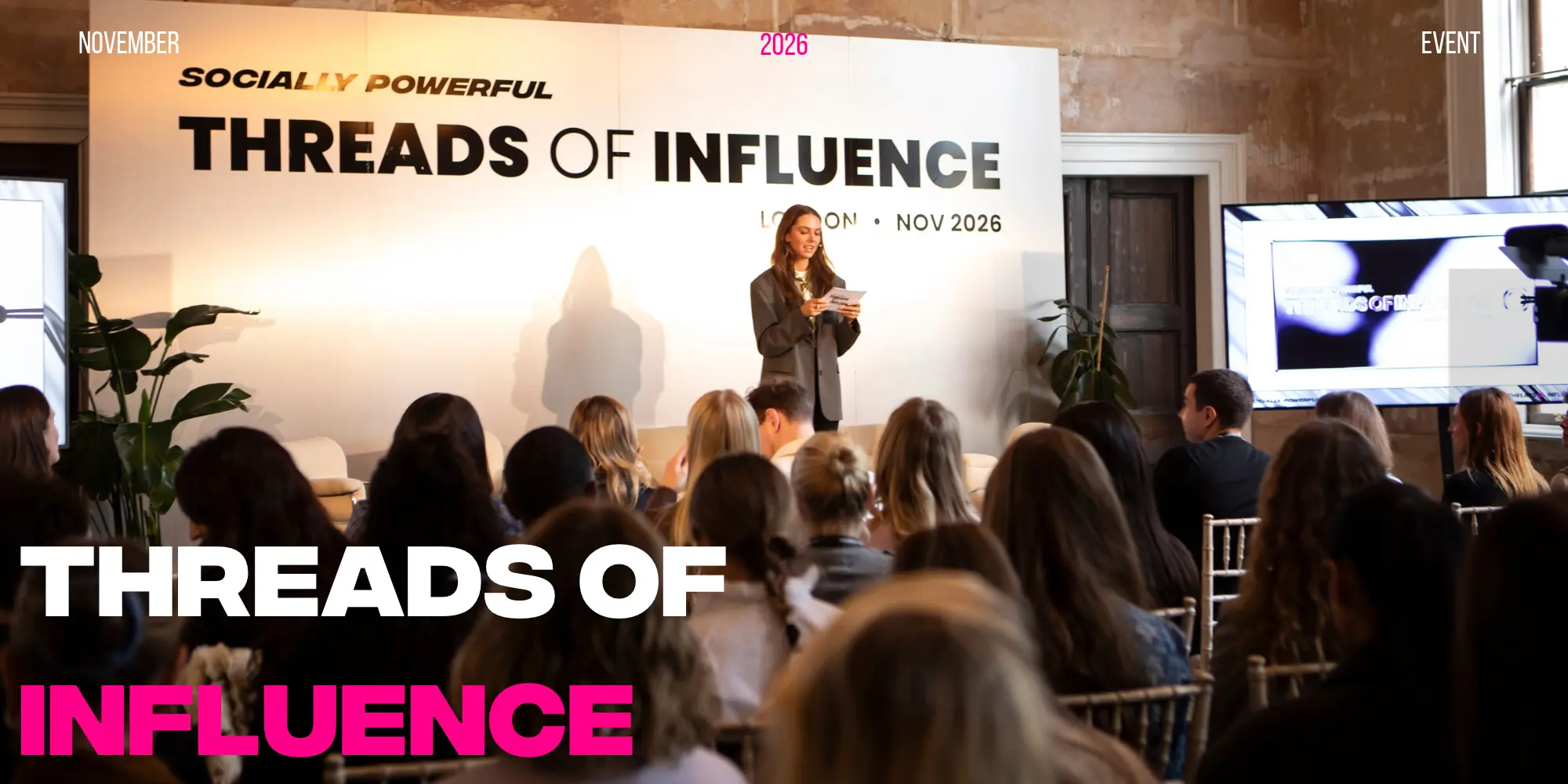
To unpack what comes next, our fifth flagship Threads of Influence event convened at The Old Sessions House on November 3rd, 2026. Following sold-out editions in London and New York, this morning of big ideas brought together fashion’s sharpest minds – from iconic global brands and major platforms to leading creators and our own Socially Powerful team. The room featured perspectives from teams at Puma, JD Sports, Pinterest, Meta, Reiss, TikTok, Hello Partner and independent brand consultants, alongside content creators Maninder Sachdeva and Antoinette Victoria.
Here is how the industry’s best are shifting their focus from simply buying content to actively building cultural capital.
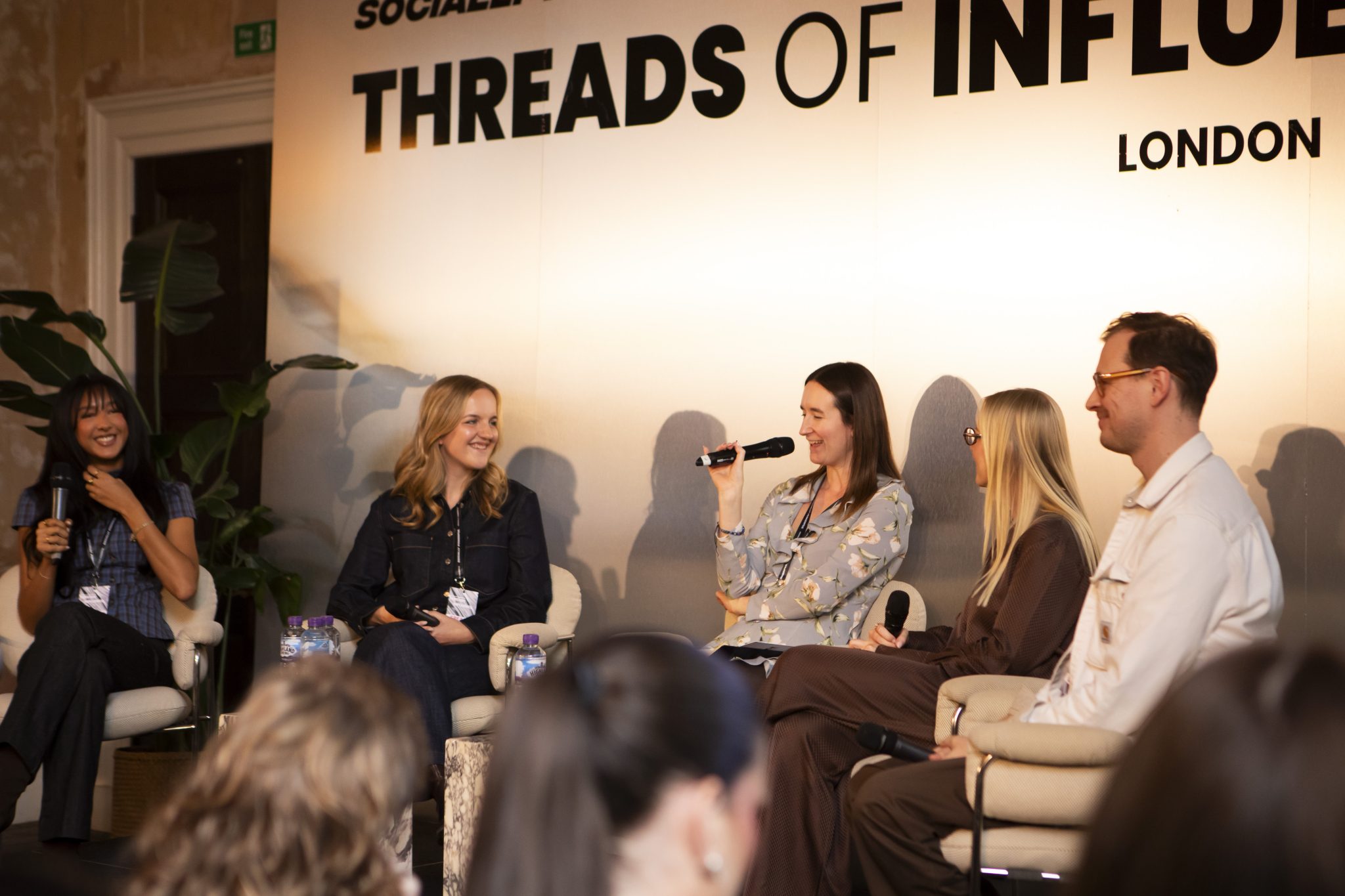
Moderated by Hello Partner, our opening panel brings together Ed Wilson, Head of Fashion & Sports Retail, TikTok, Stephanie-Jane Oaks, Social & Influencer Lead, Reiss, Bethany Leedham, Social, Activation and Influencer Lead, JD Outdoor, and creator Antoinette Victoria to examine how creators, employees, and physical activations act as vital touchpoints that bridge the gap between online discovery and physical purchasing.
Video content filmed inside physical stores highlights the tactility of showing, feeling and describing the product that translates beyond the screen. Having creators physically demonstrate, feel, and describe items is critical for premium brands.
Custom and unique products exclusive to physical stores gives both audiences and creators a natural incentive to visit locations and film content.
Employee-Generated Content (EGC) drives high levels of viral, authentic engagement because store staff thoroughly understand the brand’s core values. Social platforms allow brands to establish custom creator networks, enabling store employees to act as affiliates who earn additional income through live shopping broadcasts.
Creating hyper-local and highly specialised content is recommended whenever possible. Partnering with niche creators helps traditional brands connect authentically with specific cultural moments, such as utilising targeted creators to effectively reach a large modest-dressing customer base.
In-person brand activations, such as run clubs or pop-up events, should not be reserved exclusively for top-tier VIPs. Sharing exclusive experiences while shutting out everyday consumers creates a disconnect. Opening these activations to the general public builds stronger brand appreciation and generates a central hub of content that can be repurposed across multiple marketing channels.
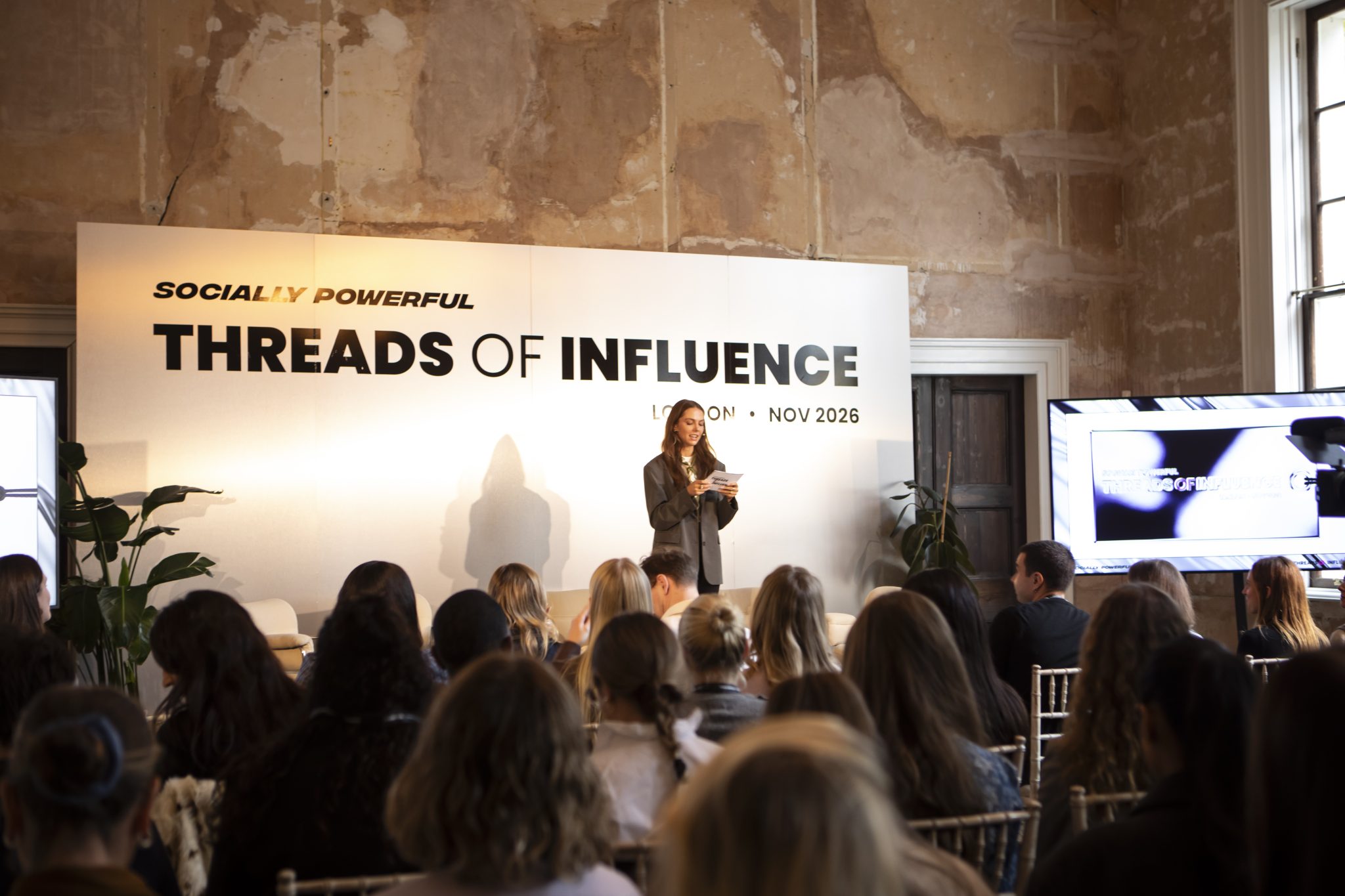
Moderated by Casper Williamson, this panel brings together Jenny Huhn, Manager
Audience fatigue stems from heavily scripted, overly controlled content, not from creators themselves. Authenticity is created when brands select creators who align with their audience and grant them creative freedom to interpret the brief using their own styling, and signature formats.
A successful brief avoids the extremes of over-guidance and under-guidance. Providing too few guidelines leads to endless rounds of revisions that sap creator enthusiasm, while too many turn creator content into a rigid script. Keeping the brief concise – ideally down to a single page with clear “dos and don’ts” and one key message gives creators room to co-directionally direct content.
Transitioning from transactional, one-off media buys to sustained relationships builds deep mutual trust. Long-term creator partners essentially become extended members of the brand team who understand the brand’s identity and can authentically act as true brand ambassadors.
Creators operate continuously as real-time focus groups through their comment sections and post engagements. Involving them early before a brief even exists or during early product development provides invaluable category insights, trend evaluation, and direct product feedback.
Giving creators creative freedom should not be viewed as losing control, but rather as acquiring vital audience insight. Creator marketing uniquely collapses the traditional divide between media buy, creative production, and cultural positioning into a single channel.
Moderated by Meta’s Lauren Quilty, our third panel brings together independent brand consultant Janine Hearn, content creator Maninder Sachdeva, and Socially Powerful’s Senior Creative Strategist Maddie Ramsey. Legacy brands don’t need to obsessively chase Gen Z to survive; they need to have the confidence to extend their brand story and refresh it into current proof.
Heritage brands should not use creator partnerships solely to chase young, as doing so risks alienating their broader audience. Instead, the goal must be building cultural relevance and connecting around shared brand values that span across age groups. Unexpected collaborations such as Loewe partnering with Dame Maggie Smith or Hugo Boss working with Khaby Lame succeed because they naturally connect deeply with culture and values rather than forcing youth-targeted marketing.
The biggest barrier for heritage brands responding to real-time cultural trends is internal alignment, multi-layered approval processes, and rigid planning silos. By the time a trend passes through several approval tiers, and reaches production, the cultural moment has passed. Leadership needs to align internally on core brand DNA and trust the process by streamlining approvals.
Heritage brands have a distinct advantage and responsibility regarding vintage archives, and product longevity. Because creators and consumers increasingly value intentional shopping, capsule wardrobes, and secondhand thrifting, showcasing how vintage pieces endure creates deep emotional resonance. Collaborating with brand superfans and vintage resellers offers a unique angle of authentic storytelling.
Creators must not be treated merely as passive models for clothing or transactional media buys. Brands need to engage creators upstream in the product development stage and keep briefs straightforward – focusing only on the product message, target audience, and legal “dos and don’ts”. Overly prescriptive briefs strip away the creator’s natural voice, resulting in uninspiring, unauthentic ads that creators may even refuse to attach their names to.
Brands should shift their mindset from viewing creators as “influencers” to treating them like “team riders” or genuine brand partners. Building long-term, human-centric relationships with your creator partners allows them to become true advocates of a brand who naturally understand and amplify the brand’s DNA.
While fashion has its own unique playbook, this shift toward authentic, decentralised influence is happening across every industry. To see how these exact principles apply to everyday consumer goods, you check out our event coverage and report from Shelf Life of Influence and stay tuned for our upcoming fashion report powered by insights from 300 UK & US enterprise senior fashion marketers on what’s fashion creator marketing’s biggest untapped opportunity.







30M
IMPRESSIONS
15%
UPLIFT IN SALES
17M
REACH


70M+
IMPRESSIONS
500+
COLLABORATIONS
SOLD OUT
PRODUCT LINES


486%
FOLLOWERS
28M
MENTIONS
13M
VIEWS


35M
VIEWS
3M
ENGAGEMENTS
50+
CREATORS


32M
VIEWS
+400K
NEW FOLLOWERS
2M
LIKES

We'll show you how to start powerful conversation, drive social engagement, build your brand, hit sales targets or meet other goals you have, wherever you are in the world.
Work with us