Written By:
Anastasija Vasilevska
Writer
 PROCUREMENT


A bottle of olive oil shouldn’t be more recognisable on TikTok than the brands that have owned the supermarket shelf for decades. Yet, Graza has turned its bright green squeeze bottle into a piece of creator culture, while established food brands that we all know are still relying on paid media to manufacture attention.
We’ve looked at 10 challenger brands creating an outsized amount of conversation compared with much bigger players in their categories and what their approach can teach marketers about turning creator interest into genuine brand momentum.
Challenger brands have something legacy brands often struggle to manufacture: novelty. When a product feels new, creators have a reason to introduce it to their audience, and audiences get the thrill of discovering something first. Social media has made finding the next product part of the entertainment, which makes creators the tastemakers. A recommendation from someone you trust can feel more like a tip from a friend than an advert.
Graza shows how this works in practice. Before launch, the brand gifted olive oil to food creators without paying for posts or supplying talking points. CEO Andrew Benin described it as “a seeding approach that was no strings attached.” Cookbook author Molly Baz was one of the creators it seeded, and a single Instagram story from her helped sell out Graza’s inventory during launch.
OLIPOP took a similar route in its early days. With little budget, the brand gifted products to influencers and watched who posted unprompted, then used those organic responses to decide which creators to partner with. The packaging helped too. Its colourful, retro-inspired cans are easy to spot in grocery hauls, routines and fridge-stocking content, which gives creators a recognisable visual to build into their posts.
This is an editorial pick based on what we are seeing across social. We’ve focused on independent brands that aren’t owned by major groups, and where creators continue to talk about and feature the products without being paid to do so.
Each challenger is also taking on a significantly larger, established rival in its category. The ranking reflects our editorial view of where creator love feels strongest, based on the volume, consistency and enthusiasm of organic conversation we’re seeing, not scores, sales figures or engagement metrics. It’s a snapshot of the brands currently punching above their weight on social:
Ten challenger brands took on category giants, and each one earned its biggest moments from creators who picked up the product on their own:
Before launch, Graza gifted its olive oil to food creators without paying for posts or supplying talking points. Cookbook author Molly Baz posted the product for free after receiving it, and a single Instagram story from her helped sell out Graza’s launch inventory. Recipe creators also featured the bottle organically in their videos, and Graza has kept seeding as it has grown, including refill cans sent to about 300 creators.
Creators are obsessed with the squeeze bottle, how easy it is to use, and the feeling of finding a fun version of a basic kitchen staple. The lesson for marketers: make the product itself distinctive enough to become part of the content.
In its early days, OLIPOP had little budget for influencer deals, so it relied on product gifting. The brand has since added a creator programme that combines gifting with commissions, so today’s picture mixes gifting and paid partnerships, but its best-known moment still began with a creator. In January 2024, OLIPOP counted more than 900 posts about Sleepy Girl Mocktails containing the soda.
That moment was Gracie Norton’s sleepy girl mocktail. TikToker @caleeshea posted an earlier version a little over a year before, using the Ginger Lemon flavour, and Norton’s version later went viral. OLIPOP’s growth director says stores began reporting shoppers buying out Lemon Lime OLIPOP, and the brand then created a challenge on the UGC platform Kale to keep the trend going.
@gracie_norton OUT LIKE A LIGHT mocktail 😮💨💤🍒 tart cherry juice + magnesium is the perfect combo for a full night of sleep! I had really vivid dreams too! I take magnesium every evening but tend to toss & turn during the night at the end of my luteal phase. thanks for the inspo @caleeshea 💫#easyrecipe #mocktails #mocktailrecipe #healthyrecipes #sleep #bettersleep ♬ Storytelling – Adriel
Creators are obsessed with the Lemon Lime flavour as a mixer, the colourful cans and the better-for-you soda idea. The lesson: a challenger becomes culturally useful when the product can travel naturally between communities.
When Tower 28 launched, founder Amy Liu sought out prominent beauty YouTubers and sent each a free sample with a personal touch. She also created Clean Beauty Summer School, a 10-week mentorship programme for minority-owned clean beauty brands and creators. The brand now runs paid creator collaborations too, but its standout moment was unprompted: Hailey Bieber organically featured the SOS Spray in a 2021 TikTok.
@haileybieber What i’ve been reaching for this week as my skin has been feeling irritated and inflamed 🤍 @Tower 28 Beauty @rhode @AveneUSA ♬ Aesthetic – Tollan Kim
After that moment, Tower 28 replied to comments and produced reaction videos, and a Tower 28 executive told Glossy that Sephora sales surged 55% after Bieber’s TikTok. Creators are obsessed with the SOS Spray for irritated skin and with packaging that feels playful and friendly. The lesson: a strong product truth gives creators something more useful to talk about than brand awareness.
Kosas’s Revealer Concealer was among the earliest TikTok-viral beauty products, introduced in 2020. ELLE Singapore reports the brand reached viral status when Hailey Bieber shared that she uses Revealer Concealer and Cloud Set powder. Products like these fit easily into GRWMs, tutorials and “products I actually use” videos, and the concealer has gone viral multiple times.
@haileybieber my go to routine for that glazed summer skin 💕🥰 @rhode @Kosas @ABH Cosmetics @Kylie Cosmetics @makeupforever ♬ love nwantinti (ah ah ah) – CKay
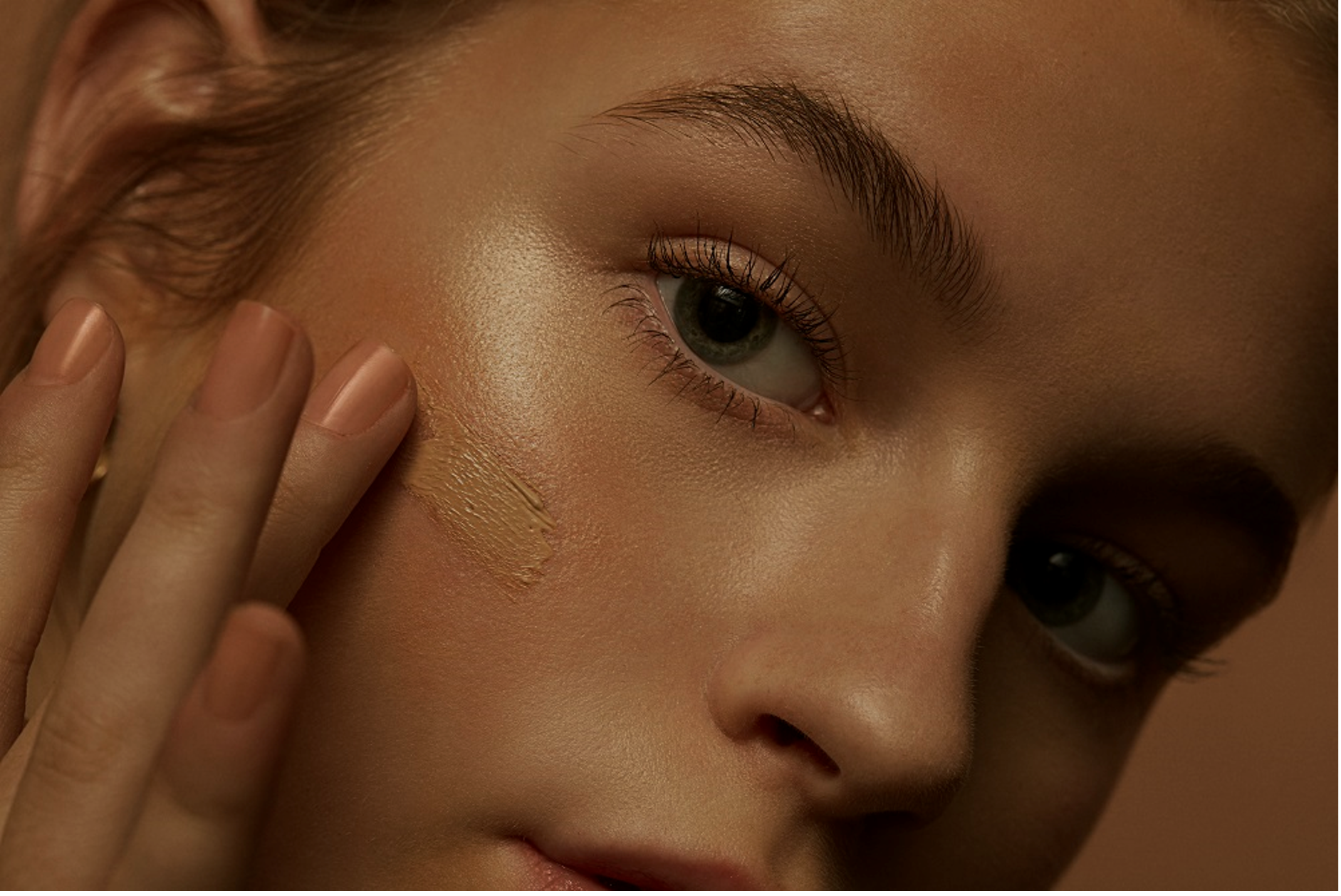
Creators praise its creamy, non-cakey finish, and they are obsessed with the texture, the shade range and coverage that looks like skin on camera. The lesson: products that naturally fit existing creator formats have a much better chance of earning repeat visibility.
Matilda Djerf was already a creator before the brand launched. Co-founder Rasmus Johansson has said they don’t spend much on traditional paid ads, though the brand does run paid social alongside its organic content. Vogue Scandinavia reported that the brand’s TikTok hashtag had over 40 million views, with try-on hauls spreading like wildfire.
Those hauls became a recurring TikTok format, and Djerf says it still feels surreal to watch people unpack their boxes and try on the clothes. Creators are obsessed with the aesthetic, the founder and the hero pieces, the Favourite Pants and Favourite Blazer. The lesson: a strong brand identity gives creators something bigger to participate in than a product launch.
Organic social and earned media were Fishwife’s main marketing from 2020 to 2022, and paid social only began in 2023. Millstein says the brand’s creator discovery is organic, and early on she invested in influencer seeding with small samples.
Tinned fish videos have generated more than 30 million TikTok views, helped by the “hot girl food” meme and the snack-plate trend. The standout unpaid moments are creators’ tinned fish date night and snack-plate posts featuring Fishwife.
Creators are obsessed with the colourful tins, the snack-plate styling and the feeling of upgrading a pantry basic. The lesson: in a category with little brand loyalty, personality gives creators something to talk about.
Topicals launched in 2020 with Like Butter, a hydrating mask, and Faded, a gel for hyperpigmentation. It appeals to Gen Z through TikTok and Instagram marketing, eye-catching packaging and mental health advocacy. Founder Olamide Olowe has said the brand’s social presence is about showing people with visible skin conditions living life in full colour, and Grazia described the brand as all over TikTok when it reviewed the range.
A standout unpaid moment was @ehxdell’s review of Like Butter. Creators are obsessed with real skin, relatable results and the founder. The lesson: founder visibility can turn a company into a character people feel they know.
Katherine Power’s minimalist makeup brand launched in 2021 and raised a $20 million Series A led by L Catterton’s Growth Fund. Glamour describes hundreds of TikTok creators showing the Flush Balm’s versatility as a blush, eyeshadow and lip balm. Comments across social media asked Merit to bring back the Signature Lip Satin in Bespoke, and it did.
That is the standout unpaid moment: fans asking for Bespoke by name until the brand relaunched it. Creators are obsessed with the Flush Balm, the shade names and the restrained packaging. The lesson: when fans can name the exact shade they want, a brand can plan its next launch from the comments.
Saie’s products often appear as one part of a GRWM, airport routine or OOTD post, and Vogue Singapore listed Hydrabeam concealer among the viral beauty products that took over TikTok in 2022. The standout moment was Mikayla Nogueira’s TikTok review of Hydrabeam, in which she asked, “Why did this just change my life?”
Creators are obsessed with the visual identity, glowy makeup and lifestyle positioning. The lesson: a product that fits naturally into everyday routines gives creators an easy reason to mention it.
Jing Gao launched Fly By Jing in 2018. Chilli crisp recipes became a TikTok staple during the pandemic, and creator taste tests and mukbangs featuring the product are the standout unpaid moments.
Creators are obsessed with the flavour, the founder story and the conversation around Chinese food. The lesson: give people an opinion worth sharing, not just a product worth displaying.
Across the ranking, a few patterns stand out:
The strongest challenger products are visually distinctive or satisfying to demonstrate, like Graza’s squeeze bottle or OLIPOP’s colourful cans.
Many challengers have a recognisable human behind them. Matilda Djerf is inseparable from Djerf Avenue, Jing Gao is part of Fly By Jing’s story, and Amy Liu is part of Tower 28’s community. That gives these brands something legacy rivals often lack: a face audiences can associate with the business.
Creators need more than a product sample. The best challengers offer a hook, whether that’s an unusual format, a strong opinion, a distinctive ingredient, an unexpected founder story, a cultural joke or a product that solves a problem people already discuss.
Graza’s early approach was to give creators products with no required posts or talking points. Gifting works best when the product is genuinely relevant to the creator and the brand is comfortable letting them decide what to say.
Legacy brands can borrow the behaviours that make challenger brands culturally interesting:
Whether you’re David or Goliath, the brands winning on Social are the ones that understand creators are not just another media placement. They are communities, tastemakers, storytellers and culture-makers.
At Socially Powerful, we help brands identify the creators and communities that matter, build campaigns people actually want to participate in, and turn organic creator love into scalable growth.
Ready to build your own creator-led growth story? Get in touch with Socially Powerful to learn how our influencer marketing services can help your brand.
A challenger brand is a smaller or newer brand competing against established market leaders. They typically differentiate through a distinctive product, strong point of view or more agile approach to marketing.
Organic influencer marketing is when creators talk about or feature a brand without being paid or contractually required to post. This can happen through genuine product use, gifting or a creator independently discovering the brand.
Not necessarily. Organic content can build credibility and cultural relevance, while paid creator content provides greater control, scale and consistency. The strongest strategies use both.
Track metrics such as the number of organic mentions, unique creators, engagement, views, sentiment, saves and shares. You can also monitor changes in branded search and whether organic creator content leads to wider conversation or sales.
Olipop, Graza, Topicals and Tower 28 have all built a strong creator and community presence on TikTok. Popularity shifts quickly, so check follower counts and engagement regularly rather than treating this as a fixed ranking.







30M
IMPRESSIONS
15%
UPLIFT IN SALES
17M
REACH


70M+
IMPRESSIONS
500+
COLLABORATIONS
SOLD OUT
PRODUCT LINES


486%
FOLLOWERS
28M
MENTIONS
13M
VIEWS

35M
VIEWS
3M
ENGAGEMENTS
50+
CREATORS


32M
VIEWS
+400K
NEW FOLLOWERS
2M
LIKES

Oct 29, 2026
SP Industry Trends

We'll show you how to start powerful conversation, drive social engagement, build your brand, hit sales targets or meet other goals you have, wherever you are in the world.
Work with us